
The Legacy of Black Farmers in Tennessee
After the Emancipation Proclamation was signed in 1863, many formerly enslaved people realized that the best way to gain stability and economic freedom was to own land. They saw that landowners held the most power in political and social circles, and newly freed Black Southerners took note.
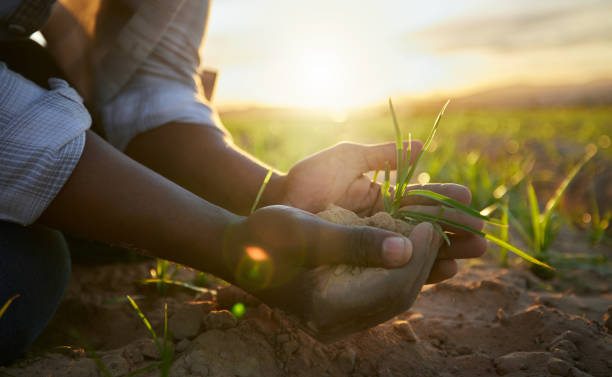
They had been promised “40 acres and a mule,” but then-President Andrew Johnson vetoed plans to redistribute land to Black freedmen. Instead, Black farmers now had to buy the very land that had once been promised to them, and many white landowners only sold them the poorest, rockiest plots. Even so, because of generations of forced labor, these new Black agrarians knew how to coax crops out of harsh conditions and make them thrive.
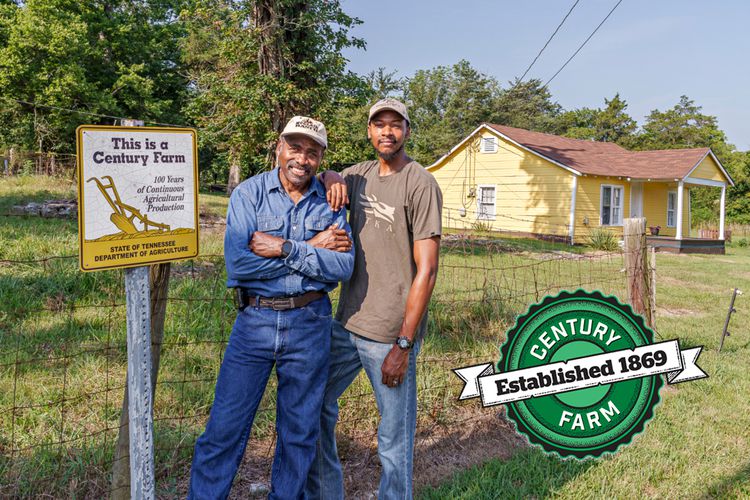

Can you imagine working your entire life and the first time you are paid for your labor is when you serve in the military? This was the reality for many Black Tennesseans. They used their money to buy plots in Promise Land, Tennessee, with contracts negotiated by the Freedman’s Bureau. And their descendants own the land to this day.
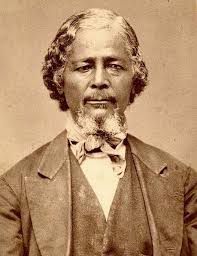
Benjamin “Pap” Singleton, a Nashville native who escaped to Canada during the war, returned and attempted to buy acres of land to create a Black farmers’ collective. Unfortunately, many white farmers in the area did not appreciate Black farmers owning that amount of land, and Pap’s collective ultimately failed. Despite this, Black landownership in Tennessee — and the rest of the South — kept rising.
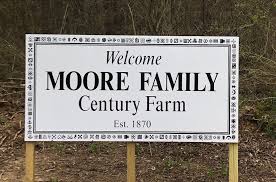
In 1870, John Henry Moore and his wife, Inez Parsons, opened Moore Century Farm and opened a school for Black children in the community. That farm remains operational and owned by their descendants to this day.
Many Black farmers saw great success in Tennessee growing food and building wealth in this era. However, many of their white neighbors were not pleased, and several successful Black farmers were lynched. Across the South, there were instances of personalized violence — neighbors lynching neighbors — as the Ku Klux Klan rose.
On top of this racial violence, natural disasters like floods and boll weevil infestations hit all farmers, but Black landowners were especially vulnerable. They had fewer resources, and many banks refused to grant them loans. Finding alternative financing was extremely difficult.
Despite these obstacles, Black agriculture in Tennessee reached its peak in the early 1900s. By 1910, there were nearly 11,000 Black farmers in the state. At that time, 21 percent of Tennessee’s population was Black, and Black farmers made up 28 percent of all farmers in the state.
Things began to shift again after Franklin Roosevelt signed the New Deal. Control over land allocations moved to federal committees, which often denied Black farmers access to land and support. Around that time, Black people nationwide owned more than 15 million acres of land. But as Jim Crow laws hardened and land access shrank, many Black farmers were pushed out — some moved to the Midwest, while others had to leave agriculture altogether.
In the decades that followed, Historically Black Colleges and Universities (HBCUs) helped train a new generation of Black agricultural professionals. Tennessee Agricultural and Industrial State Normal School (which later became Tennessee State University) became a college in 1922, with its first graduating class in 1924. Today, Tennessee State University’s agricultural program is well-known and thriving. Here at Cul2vate, we’re actively talking with TSU faculty about partnership opportunities as we expand our own program and curriculum.
According to the latest statistics from the United States Department of Agriculture, only 1,372 Tennessee farmers are Black — only 1 out of 100 farmers — while the Black population of Tennessee is 1 in 6. The gap is huge, but there are still Black-owned farms across the state that deserve recognition and support.
Along with Moore Century Farm and Butler Farms, there are farms and gardens like Zysis Garden, Plano Produce, Brown Bass Farm, Reggie’s Veggie’s and Brooklyn Heights Community Garden. All of these Black-owned operations provide communities across Tennessee with fresh produce, meat, and eggs — and they carry forward a long, resilient legacy of Black farming in our state.